Blog ·
The Moving Timeline: Planning Your Relocation from Start to Finish
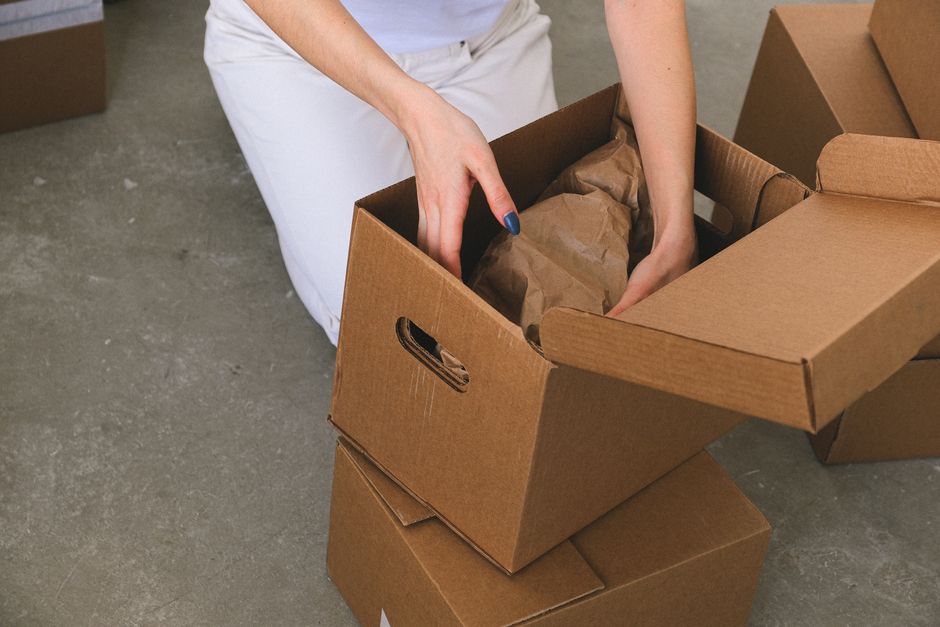
A successful relocation begins long before moving day arrives. Creating a realistic timeline and following it systematically transforms moving from a chaotic experience into a manageable process. Here's how to plan your move effectively.
Eight Weeks Before Your Move
Start by researching moving companies and comparing their services. If you're relocating long distance, book your movers early since popular dates fill quickly. Begin the decluttering process, sorting through your belongings and deciding what deserves space in your new home. Collect address information and start notifying important organizations about your upcoming move.
Six Weeks Out
Notify your current landlord or real estate agent, arrange utility disconnections, and set up utilities in your new location. Gather important documents and create a moving binder with lease agreements, utility information, and contact numbers. Start planning your new home's layout by taking measurements and visualizing furniture placement.
Four Weeks Before
Order packing supplies if you're handling the packing yourself, or confirm box delivery dates with your movers. Begin packing items you rarely use. Deep clean as you pack to avoid moving dirt and clutter. Update your address with banks, insurance companies, employers, and subscription services.
Two Weeks Before
Pack all non-essential items, leaving only daily necessities accessible. Confirm moving day details with your relocation company, including arrival time and special instructions. Arrange for pets and children to be cared for during the move. Dispose of hazardous materials and items your movers won't transport.
The Week Before
Pack your suitcase for moving day and the first night in your new home. Clean out and defrost your refrigerator. Eat through perishable foods and plan simple meals for the final week. Do a final walkthrough to ensure you're not leaving anything behind.
Moving Day and After
Keep important documents, jewelry, and irreplaceable items with you rather than on the truck. Take photos of your empty home's condition for your records. After arriving, inspect your belongings and note any damage. Prioritize unpacking essentials first, then gradually work through remaining boxes.
This structured approach prevents last-minute panic and ensures nothing falls through the cracks. You'll feel more in control of the process and better prepared for each phase. Moving becomes less about scrambling to finish and more about thoughtfully transitioning to your next chapter.